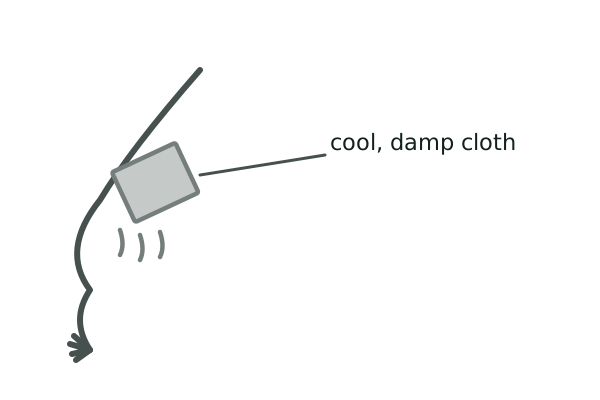
Treating bed bug bites themselves is usually about easing the itching while your skin heals, not curing anything: most bites clear up on their own within about a week. A cool, damp cloth and keeping the area clean are the main first steps. Treating the actual bed bug bites problem, the infestation behind the bites, is a separate job, and that's where a local specialist comes in.
What is the fastest way to heal bed bug bites?
Put something cool on the bite, a clean, damp cloth works well, to calm the itching and any swelling. Keep the area clean, and try not to scratch, since broken skin heals more slowly and is more likely to get infected. For most people, bites fade within about a week without any specific treatment.
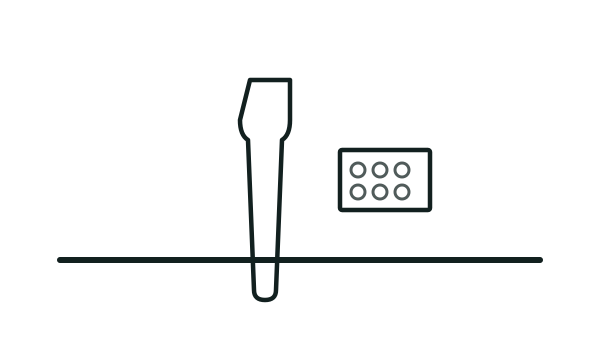
A pharmacist can suggest a hydrocortisone cream or an antihistamine if the itching is bothering you. Hydrocortisone cream isn't suitable for children under 10 or for pregnant women without medical advice, so ask the pharmacist first.
How do you ease the itching from bed bug bites?
A cool, damp cloth held against the bite, kept clean and not scratched, is the main self-care step the NHS recommends. Loose, breathable clothing over the area can also help stop you scratching it in your sleep, and keeping your nails short reduces the damage if you do scratch without noticing.
If the itching is severe or keeping you awake, a pharmacist can advise on an antihistamine or a short course of hydrocortisone cream, bearing in mind the age and pregnancy restrictions on hydrocortisone.
When should you see a doctor about bed bug bites?
See a pharmacist if a bite stays very painful, swollen or itchy after you've tried cooling it and keeping it clean, or if you notice the skin around it feels hot, looks redder, or has pus or fluid coming from it, signs of a possible infection. Get urgent medical help if your lips, mouth, throat or tongue swell, or you're struggling to breathe: that's a sign of a severe allergic reaction and needs immediate attention.
Treating the bites doesn't deal with the bed bugs causing them. They're usually hiding nearby, in mattress seams, bed frames and bedding, and will keep biting until the room is treated. If you're getting bitten repeatedly, it's worth having the room checked and getting a quote for treatment rather than just managing the bites.
Questions people ask
Do bed bug bites need antibiotics?
Not usually. Antibiotics are only needed if a GP diagnoses a skin infection from scratching, shown by spreading redness, heat, swelling or pus around the bite. The bites themselves aren't treated with antibiotics; a pharmacist's advice on easing the itching is normally enough for an ordinary bite.
How long do bed bug bites take to heal?
Most bedbug bites settle on their own within about a week, as the swelling and itching gradually fade. Keeping the area clean and not scratching it helps them heal without complications, and a cool compress can make the wait more comfortable.
Will treating the bites get rid of the bed bugs?
No. Creams and antihistamines only ease the symptoms of the bites; they do nothing to the bed bugs themselves, which carry on feeding regardless. Getting rid of the infestation is a separate job, usually involving thorough cleaning and, for most homes, professional treatment of the room.
Updated